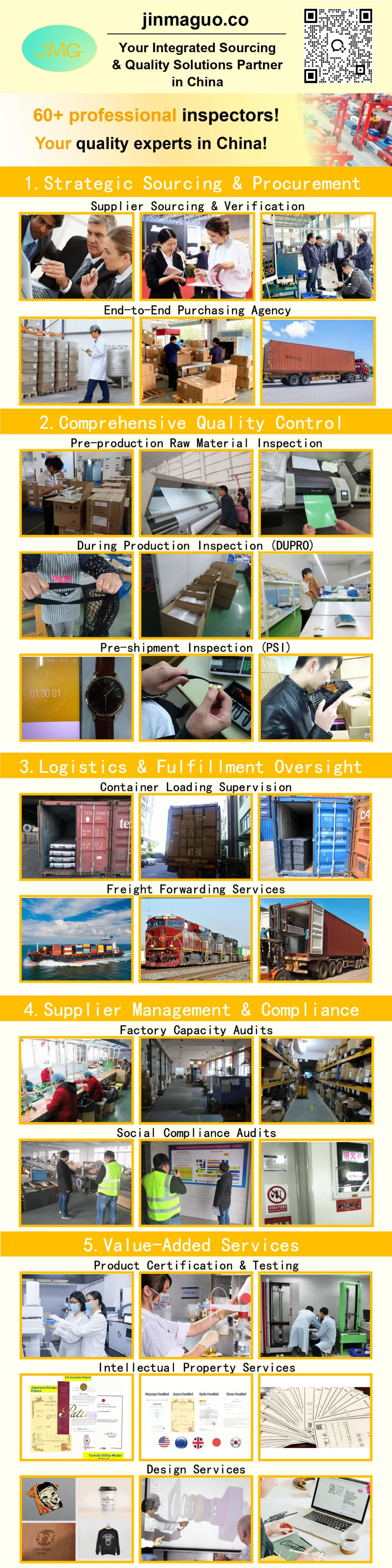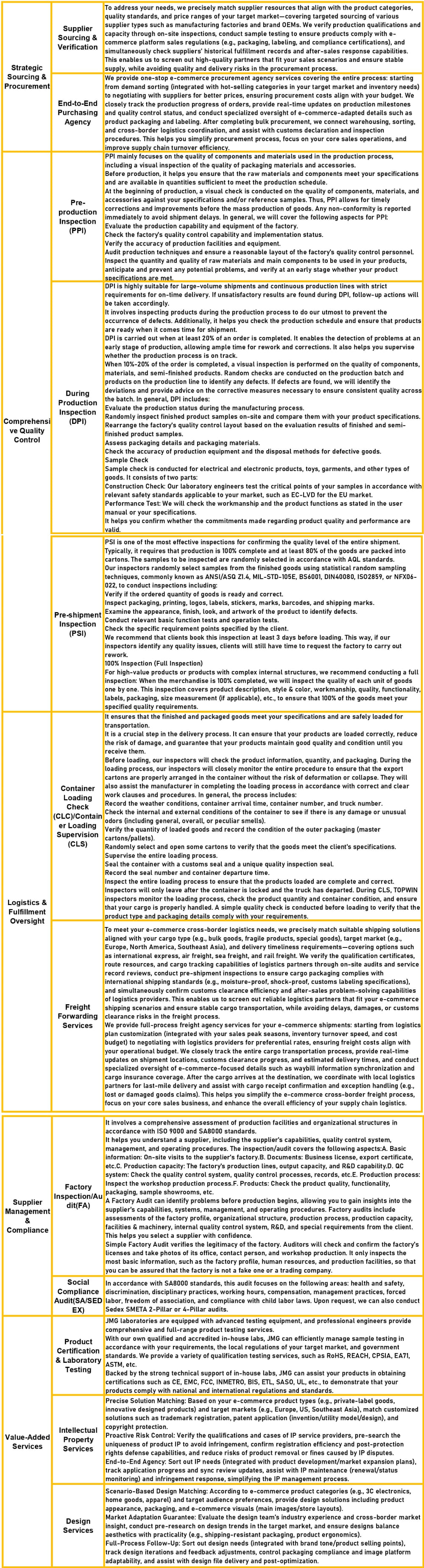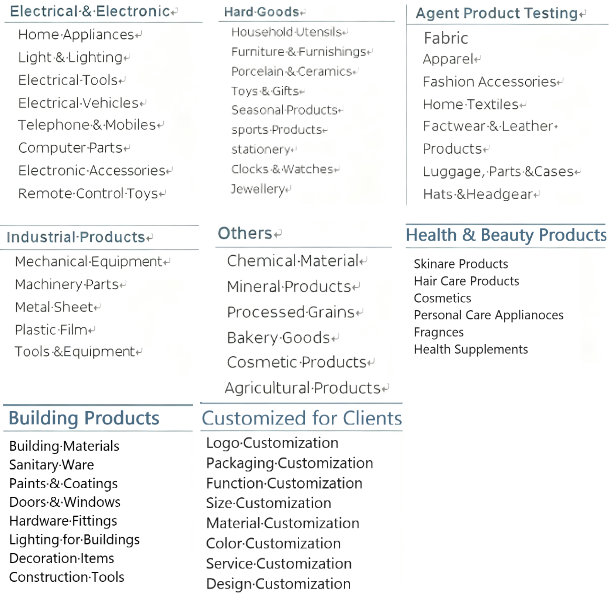
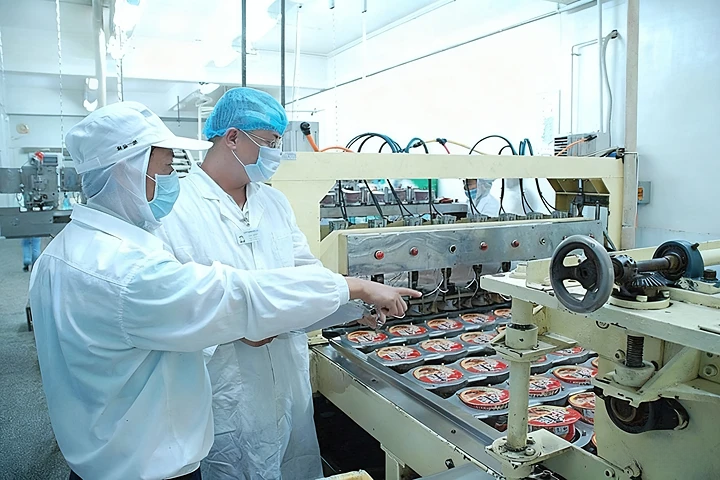
DPI is highly suitable for large-volume shipments and continuous production lines with strict requirements for on-time delivery. If unsatisfactory results are found during DPI, follow-up actions will be taken accordingly.
It involves inspecting products during the production process to do our utmost to prevent the occurrence of defects. Additionally, it helps you check the production schedule and ensure that products are ready when it comes time for shipment.
DPI is carried out when at least 20% of an order is completed. It enables the detection of problems at an early stage of production, allowing ample time for rework and corrections. It also helps you supervise whether the production process is on track.
When 10%-20% of the order is completed, a visual inspection is performed on the quality of components, materials, and semi-finished products. Random checks are conducted on the production batch and products on the production line to identify any defects. If defects are found, we will identify the deviations and provide advice on the corrective measures necessary to ensure consistent quality across the batch. In general, DPI includes:
Evaluate the production status during the manufacturing process.
Randomly inspect finished product samples on-site and compare them with your product specifications.
Rearrange the factory's quality control layout based on the evaluation results of finished and semi-finished product samples.
Assess packaging details and packaging materials.
Check the accuracy of production equipment and the disposal methods for defective goods.
Sample Check
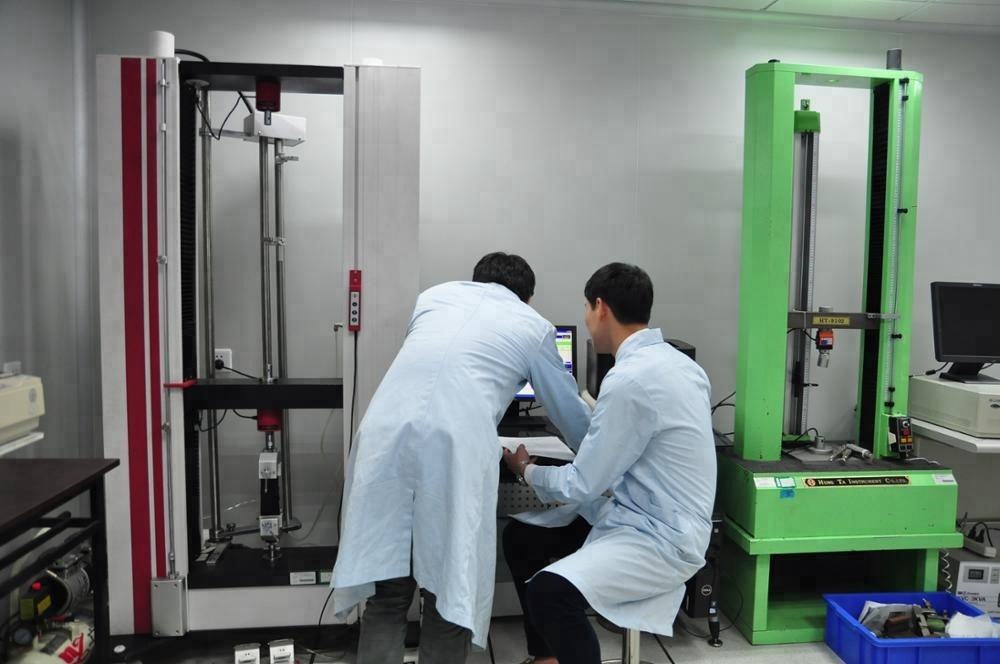
Sample check is conducted for electrical and electronic products, toys, garments, and other types of goods. It consists of two parts:
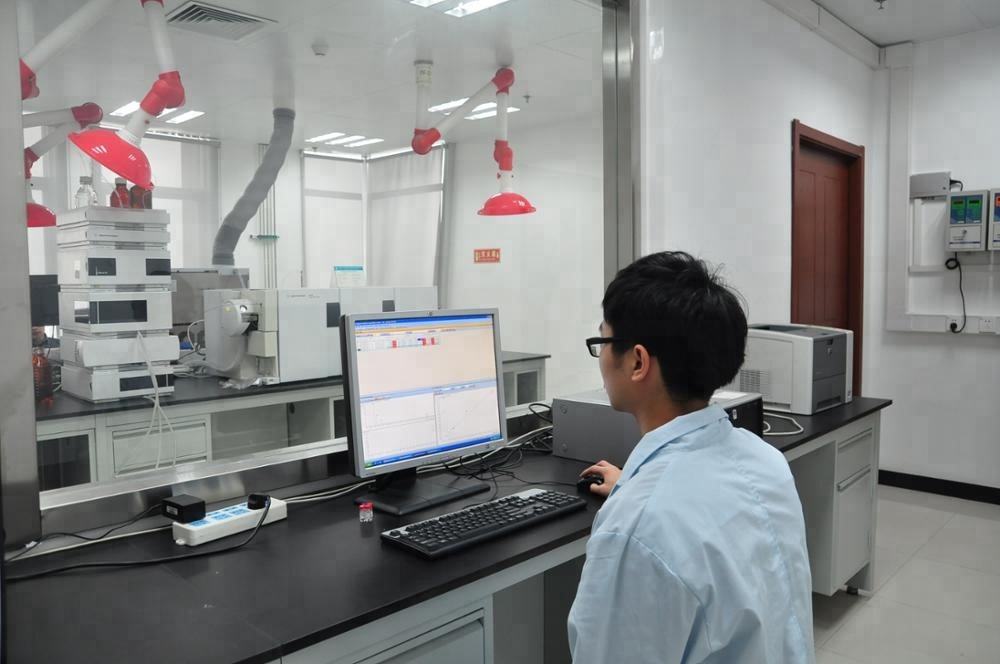
Construction Check: Our laboratory engineers test the critical points of your samples in accordance with relevant safety standards applicable to your market, such as EC-LVD for the EU market.
Performance Test: We will check the workmanship and the product functions as stated in the user manual or your specifications.
It helps you confirm whether the commitments made regarding product quality and performance are valid.